


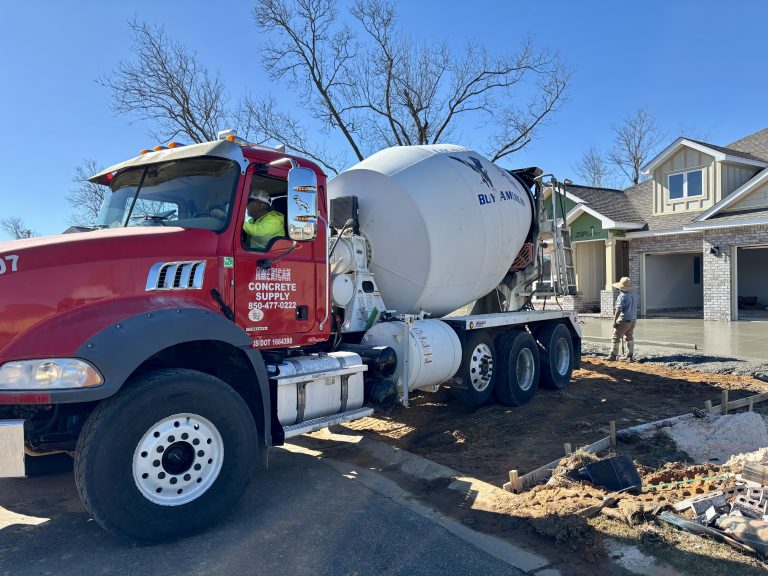

If you’ve ever stood on a jobsite with a crew ready, forms set, and rebar tied — just waiting — you already know one thing:
Concrete day is not the day to “wing it.”
The smoothest pours almost always come from jobs thought through in advance. When contractors plan early, coordinate clearly, and keep the site ready, everything flows better. That’s exactly the kind of teamwork American Concrete Supply, Inc. works best with.
Effective concrete pour planning is essential to ensure that every aspect of the project is considered.
Here’s how a little preparation can make a big difference.
With proper concrete pour planning, you can anticipate challenges and streamline the process.
Scheduling Ahead Makes the Whole Job Easier
Concrete delivery isn’t something you want to leave to the last minute. Reaching out early helps you line up your pour with the rest of your schedule — crews, inspections, and other trades.
When orders are placed with time to plan, it’s easier to keep everyone on the same page. It also gives room to adjust if weather or other site conditions change before pour day.
Early communication helps set realistic expectations and keeps surprises to a minimum.
Access Can Make or Break a Pour
One of the most common causes of delays has nothing to do with the concrete itself — it’s getting to the pour area.
Before delivery day, take a walk through the site and ask:
- Is the access path clear and stable?
- Is there enough room for the truck to maneuver?
- Are other trades or equipment blocking the route?
A clear, well-prepared path helps the unloading process move efficiently and keeps the crew focused on the work, not on last-minute rearranging.
Line Up the Crew Before the First Yard Arrives
By adhering to solid concrete pour planning principles, your team can achieve remarkable results.
Concrete doesn’t wait, and neither should your labor.
Having your crew ready and positioned before the truck arrives makes a big difference in how smoothly the pour goes. Everyone should know their role — who’s placing, who’s screeding, who’s finishing.
When the team is organized, the work stays steady, and the results show it.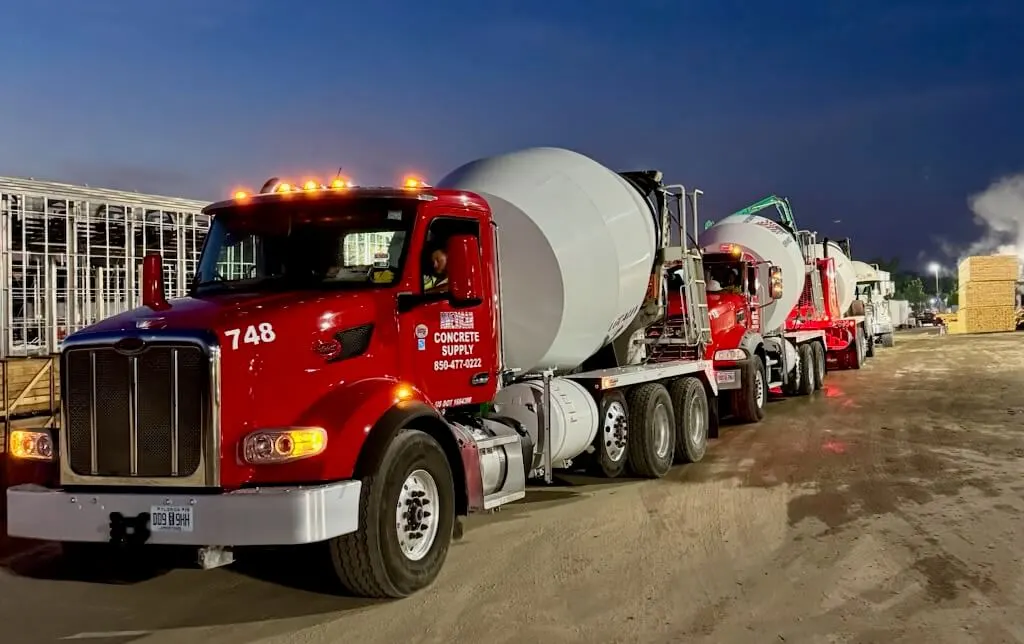
Communication Keeps Things Moving
No jobsite is completely predictable. Weather shifts. Traffic slows things down. Other site activities may run long.
Moreover, successful concrete pour planning involves continuous updates and flexibility on-site.
That’s why keeping communication open between the jobsite and dispatch matters. Delivery times are estimates, and staying in touch helps everyone adjust as needed. A quick update can help crews plan their next steps and avoid standing around waiting.
Good communication doesn’t eliminate every variable — but it does make them easier to manage.
Small Details, Big Impact
Sometimes it’s the little things that cause the biggest headaches:
- Forms not fully secured
- Tools not staged where they’re needed
- Last-minute design questions that should have been clarified earlier
Taking time to double-check these details before delivery day helps prevent slowdowns once the pour starts.
Planning Ahead Means a Better Partner Experience
Concrete Pour Planning: Key Strategies for Success
Concrete work is a team effort. When contractors are proactive and sites are ready, the entire process runs smoother from start to finish.
American Concrete Supply, Inc. works with crews every day who know the value of preparation. When everyone is ready before the first load arrives, pours stay more organized, crews stay productive, and the job keeps moving forward.
Ultimately, effective concrete pour planning ensures a smoother workflow and higher quality outcomes.
You can learn more about working with American Concrete Supply, Inc. at https://americanconcretesupplyinc.com/
For more insights into concrete pour planning, visit our website.