



Well-Run Concrete: A Perfect Pour Day
Key Factors of a Well-Run Concrete Day
Let’s set the scene.
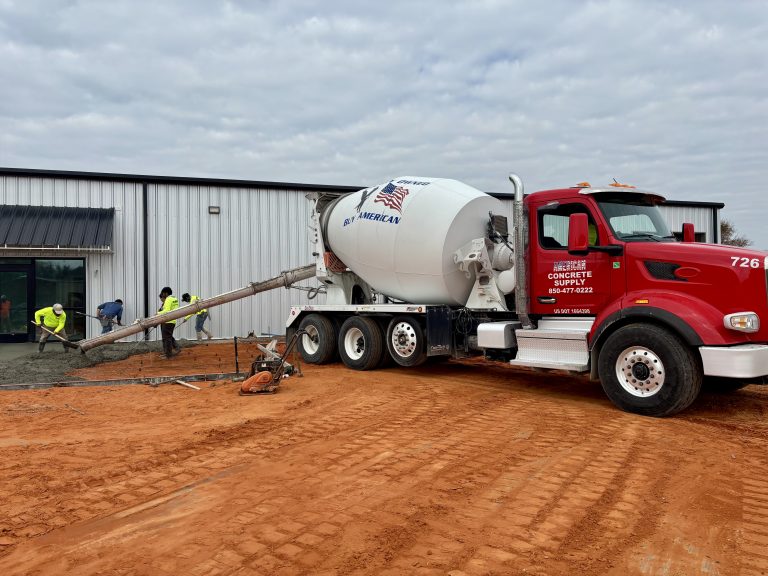
It’s 6:45 a.m. The crew is on site. Forms are set. Rebar is tied. Tools are laid out. Coffee cups are still warm. There’s that quiet “let’s do this” energy in the air.
Concrete day.
When it goes right, it feels almost easy.
When it doesn’t… it’s a long afternoon.
So what does a smooth, well-run concrete day actually look like?
Let’s walk through it.
Before the First Truck Ever Leaves the Plant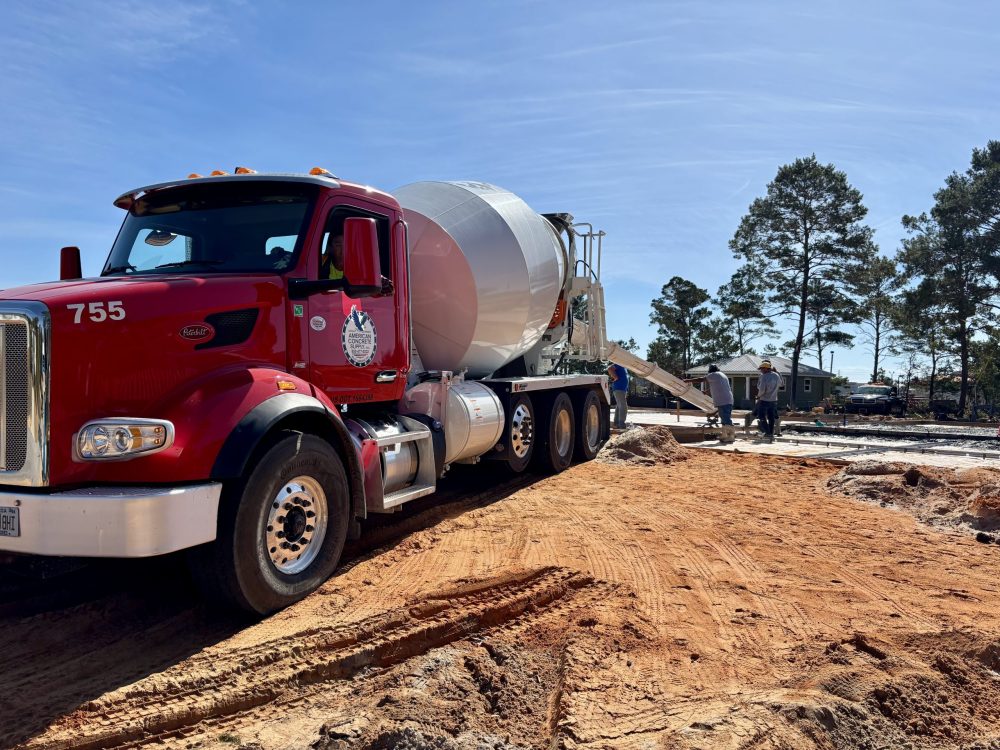
Understanding the Importance of a Well-Run Concrete Project
A good pour doesn’t start when the truck pulls in. It starts days before.
The yardage has been calculated carefully.
The engineer’s specifications are confirmed.
The schedule is discussed early — not the night before.
There’s no guessing. No scrambling. Just planning.
That preparation alone eliminates half the stress.
The Site Is Actually Ready
This is bigger than most people realize.
Clear access to the pour area.
No vehicles blocking entry.
Crew members positioned and waiting.
Tools in place.
Finishers ready to move.
When a truck arrives and the site isn’t prepared, momentum disappears fast.
When the site is ready? The pour flows.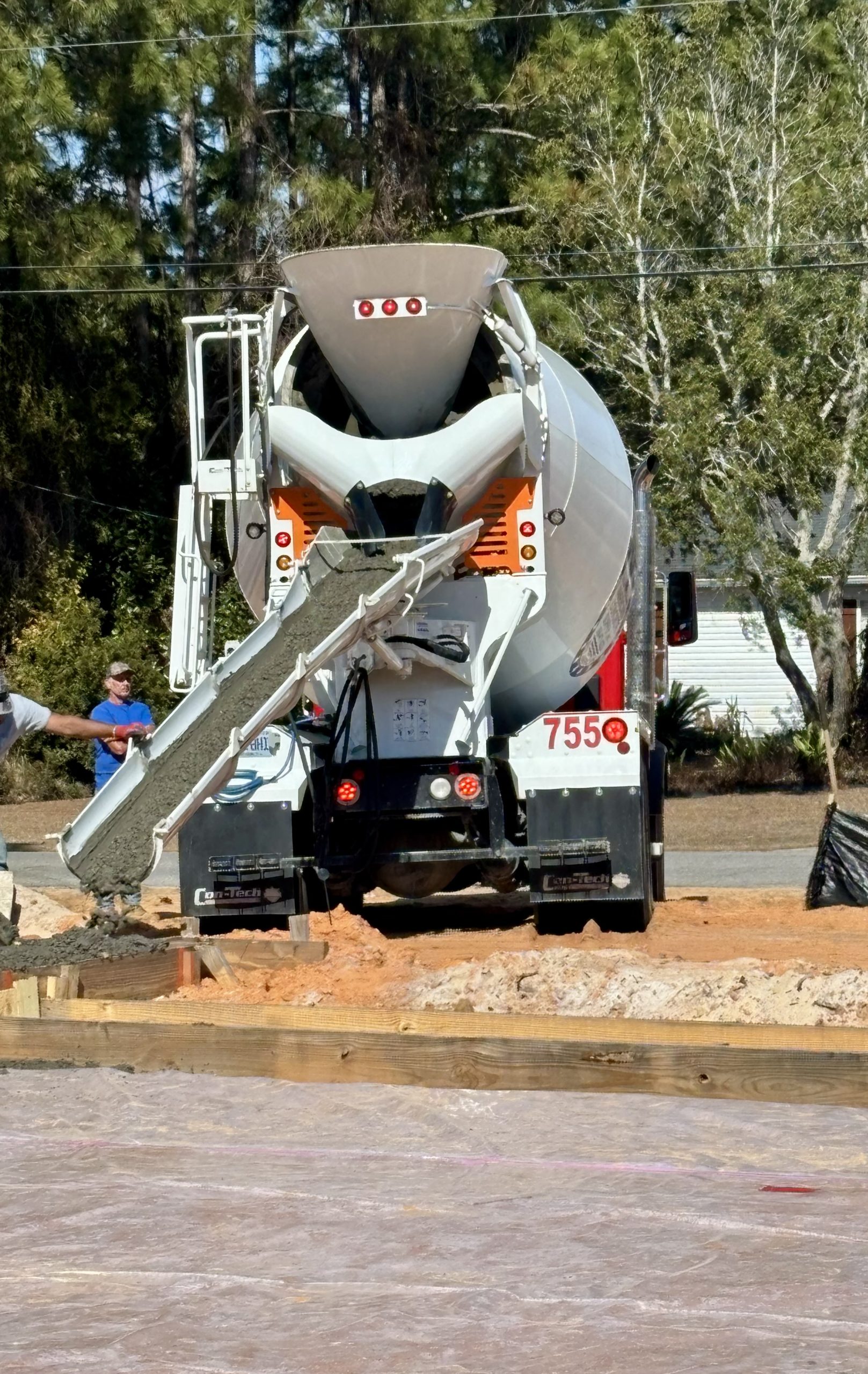
Everyone Knows the Plan
The crew understands the sequence.
Who’s guiding the truck.
Who’s watching the flow.
Who’s managing the finish.
No confusion. No shouting over each other. Just coordinated movement.
Concrete doesn’t pause while people figure things out.
The Delivery Window Is Understood
Here’s the reality of this industry: delivery times are estimates.
Traffic shifts. Weather changes. Plant volume fluctuates. Anyone who has worked in construction knows this.
A smooth concrete day isn’t built on unrealistic time promises. It’s built on communication.
When everyone understands that delivery windows are estimates — and stays aligned — frustration drops.
That alignment is what keeps the day steady.
Adjustments Happen Without Panic
Maybe a small timing shift occurs.
Maybe a minor delay pops up.
On a chaotic jobsite, that turns into tension.
On a coordinated jobsite, it turns into, “Alright — here’s the adjustment.”
Because the crew is ready.
Because communication is open.
Because expectations were realistic from the start.
That’s the difference.
The Pour Feels Controlled — Not Rushed
There’s a rhythm to a well-run pour.
Concrete is placed.
Levels are checked.
Edges are finished.
Movements are deliberate.
Nobody is racing. Nobody is scrambling. The crew works with confidence.
That confidence shows up in the finished product.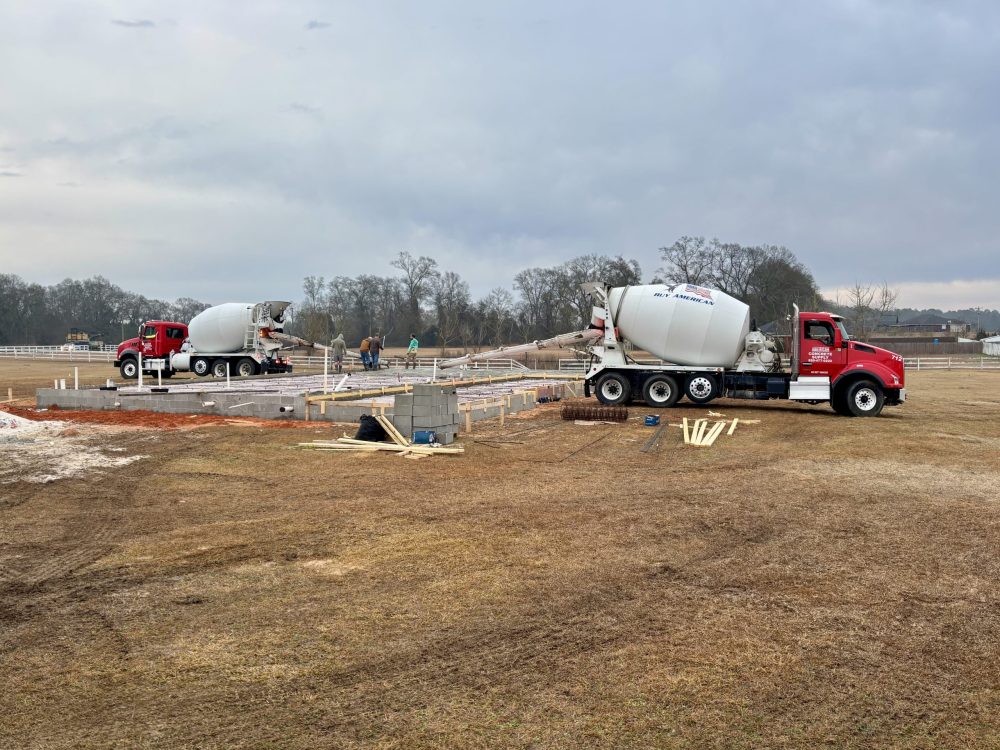
And Then It’s Done
Forms are clean.
The slab is set.
The crew steps back and looks at it.
No drama. No stories about what went wrong. Just another solid day on the schedule.
That’s what contractors want.
Not excitement. Not surprises.
Predictability.
If You’re Planning a Pour Soon
Concrete day doesn’t have to feel tense.
It can feel organized.
It can feel prepared.
It can feel steady.
That starts with early scheduling, accurate planning, and clear communication all the way through the process.
If you’ve got a pour coming up anywhere along the Gulf Coast, it helps to start the conversation early.
Visit https://americanconcretesupplyinc.com/
Because a well-run concrete day isn’t luck.
It’s preparation meeting coordination — and that’s what keeps projects moving forward.